

5 Smart Commercial Interior Design Ideas That Elevate Your Business
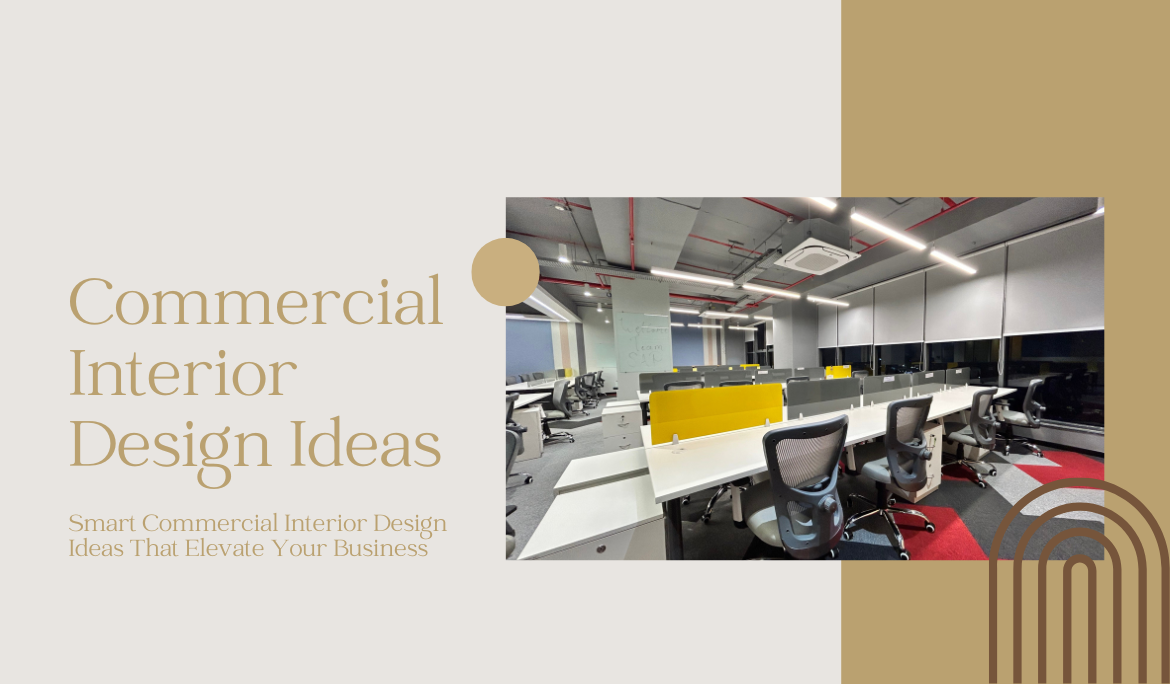
In the practice of high-end design, a commercial space is never merely a backdrop for business; it is the physical manifestation of an organization’s ethos. At Essajees Atelier, we view interior design for commercial spaces as a rigorous exercise in balancing brand narrative with operational permanence.
A well-considered environment acts as a silent steward of your professional standards, facilitating a seamless transition from the public realm to your private corporate culture. This guide explores the foundational elements that ensure a workspace remains relevant, functional, and resonant long after the initial reveal.
The Strategic Weight of the Commercial Environment
The true value of commercial interior design lies in its ability to support the daily cadence of work while articulating a brand’s maturity. Beyond aesthetics, the design must solve complex spatial puzzles, ensuring that the environment is as disciplined as the people within it.
The Nuance of the First Impression
A lobby or reception area is the primary touchpoint for a visitor’s sensory experience. In luxury design, we focus on the transition—the way the scale of the room, the weight of the doors, and the choice of materials communicate stability and success. A curated entrance does not demand attention; it earns trust through proportion and quiet confidence, setting a sophisticated tone for the professional engagements that follow.
Aligning Spatial Planning with Corporate Logic
Effective interiors are born from a deep understanding of workflow. We move beyond “pretty” spaces to create environments that are architecturally aligned with your specific objectives. Strategic planning ensures that the floor plate is optimized for efficiency, turning the office into a tool that supports high-level decision-making and precise execution.
Articulating Brand Identity Through Spatial DNA
A sophisticated commercial space should reflect what a company stands for without relying on overt signage or literal interpretations. We look for the “spatial DNA”—the subtle threads of identity woven into the very fabric of the architecture.
From Values to Materiality
Translating abstract values into the physical world requires restraint. If a firm values transparency, we might explore the play of light through fluted glass or the use of sightlines that connect various departments. If the focus is on heritage and permanence, we look toward stone and heavy millwork. The goal is a cohesive narrative where every texture and fixture feels inevitable, rather than decorative.
Maintaining Coherence Across Environments
For organizations with a global or multi-city footprint, consistency is paramount. We develop a design language that is adaptable yet recognizable, ensuring that whether a client is in London or Mumbai, the brand’s core essence remains intact. This visual and tactile continuity reinforces market presence and builds a sense of institutional reliability.
Reframing the Open-Floor Layout
The evolution of the open-plan office has moved away from mere densification toward a more nuanced approach to collaboration. By removing physical barriers, we aim to foster an environment of intellectual exchange, yet this must be balanced with the need for individual focus.
Zoned Collaboration and Fluidity
A successful layout provides a variety of “settings” for work. While open areas encourage the spontaneous sharing of ideas, they must be supported by flexible furniture systems that can adapt to the scale of a project. We design for agility, allowing teams to move from collective brainstorming to deep work without friction.
The Integrity of Acoustic and Private Zones
The primary challenge of the open plan is the management of sound and the preservation of privacy. We utilize integrated partition systems and acoustic treatments—often hidden within the architectural detailing—to create quiet enclaves. Soft materials and thoughtful layering ensure the office remains a professional sanctuary, free from the distractions often associated with modern layouts.
The Integration of Biophilic Principles and Wellness
Integrating nature into the workspace is no longer a luxury; it is a fundamental requirement for employee well-being. This is not about scattered greenery, but a holistic approach to the “human-centric” environment.
Restorative Environments through Living Elements
Living walls and interior courtyards serve a dual purpose: they provide a visual respite and act as natural acoustic buffers. In our experience, these elements reduce the cognitive load on professionals, fostering mental clarity and a sense of calm that is essential in high-pressure industries.
Air Quality and the Sensory Experience
Strategically placed flora does more than improve aesthetics; it contributes to a healthier indoor climate. By integrating greenery into the building’s life-support systems, we create a fresh, vital atmosphere that maintains team energy levels throughout the long design and work cycles.
Architectural Lighting: The Final Layer
Lighting is the most potent tool in a designer’s kit. It defines volume, dictates mood, and supports the physiological needs of the inhabitants.
The Primacy of Natural Light
We prioritize the maximization of daylight to regulate circadian rhythms, which is proven to enhance morale and sustain focus. In luxury commercial design, we often use light-filtering techniques to ensure that even the deepest parts of the floor plate feel connected to the exterior world.
“Light is the primary tool for creating an emotional connection with the environment; it is the ingredient that defines the soul of a space.”
Zoned and Task-Specific Illumination
As evening approaches or in windowless areas, we rely on layered lighting systems. This involves a mix of ambient, task, and accent lighting that can be adjusted to suit the activity. Modern LED technology, when executed with precision, allows for a versatile environment that feels warm and inviting, yet remains focused on the technical requirements of the work.
Authenticity Through Natural and Sustainable Materials
In the current landscape, luxury is increasingly defined by the provenance and sustainability of the materials used. We choose finishes that age gracefully, developing a patina that tells a story of longevity.
Selecting Finishes with Provenance
Sustainability is not a trend; it is a commitment to quality. We specify materials that are durable and ecologically responsible. When selecting finishes for a high-end commercial project, we look for:
- Sustainably sourced timber for flooring and bespoke joinery.
- Natural stone with unique mineral veining for high-traffic surfaces.
- Recycled composites that offer resilience without compromising the aesthetic.
- Low-VOC finishes to ensure a healthy, non-toxic environment.
Creating a Grounded Atmosphere
Natural materials have a tactile quality that synthetic alternatives cannot replicate. They provide a sense of warmth and grounding, making a commercial space feel more human and less institutional. By choosing enduring materials, we ensure the space remains a pristine asset for decades, rather than years.
The Designer as a Strategic Partner
Selecting the right designer for a commercial interior design project is a decision that impacts the trajectory of your business. It requires a partner who understands the intersection of technical rigor and creative vision.
Evaluating Philosophy and Execution
When reviewing a designer’s portfolio, look beyond the imagery to the “why” behind the design. Seek a practice that demonstrates an ability to solve complex spatial challenges and whose philosophy aligns with your brand’s values. At Essajees Atelier, we prioritize a collaborative process, ensuring that the final result is a bespoke reflection of the client’s vision, executed with uncompromising attention to detail.
Reflection
A truly successful commercial interior is one that disappears. It should feel so intuitive and well-proportioned that the occupants are free to focus entirely on their own excellence, supported by an environment that works as hard as they do.
Frequently Asked Questions
1. How does professional design impact a brand’s first impression?
It moves the conversation from “what you do” to “who you are.” Through materiality and spatial flow, design communicates stability, attention to detail, and a commitment to quality before a single word is spoken.
2. What are the true benefits of an open-floor layout?
When executed correctly, they break down silos and encourage the fluid movement of information. However, they must be balanced with “acoustic retreats” to ensure that productivity is not sacrificed for the sake of perceived openness.
3. How is biophilic design integrated into a professional setting?
It is more than just plants. It involves the use of natural light, organic materials, and living elements to create a restorative environment that supports the long-term health and focus of the workforce.
4. What role does lighting play in commercial interiors?
Lighting is fundamental to both mood and function. It defines the boundaries of a space and provides the clarity needed for high-level tasks, while natural light integration supports the well-being of everyone in the building.
5. Why choose natural materials for a business environment?
Natural materials offer a sense of permanence and authenticity. They are generally more durable in high-traffic areas and contribute to a sophisticated, grounded aesthetic that synthetic materials cannot achieve.