


Smart Ideas to Create Better Study Room Design for Kids
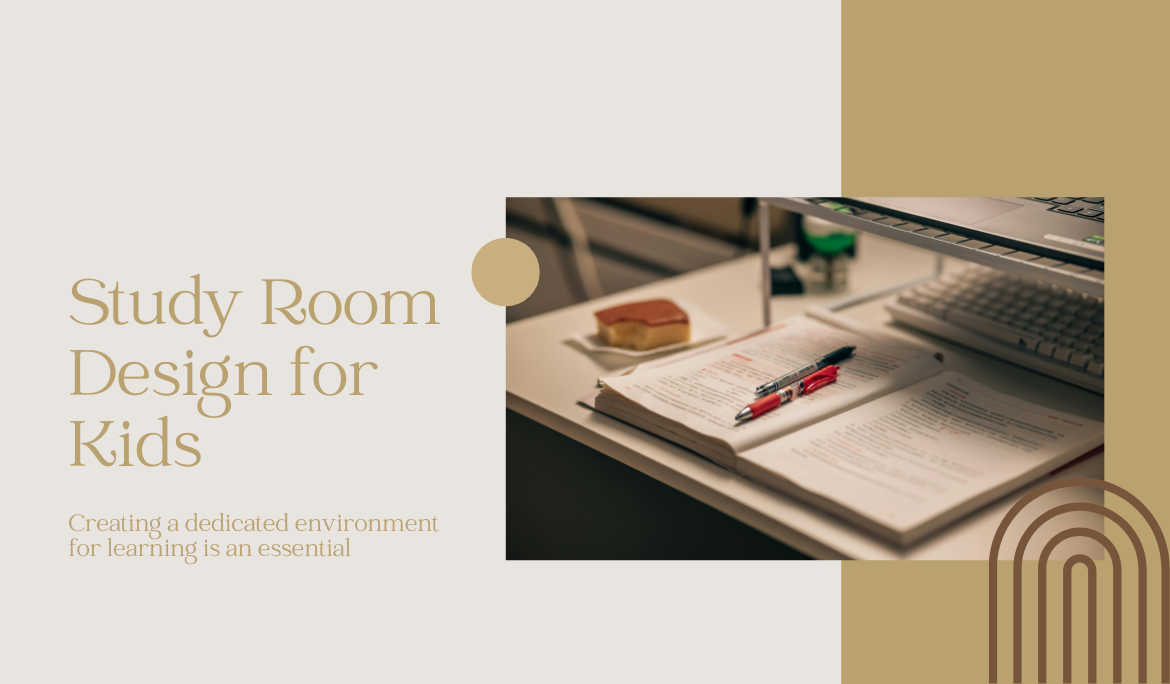
Creating a dedicated environment for learning is an essential component of a child’s intellectual development. From a design perspective, a well-conceived Study Room Design for Kids does more than house books; it serves as a cognitive anchor, signaling a transition from play to focused inquiry. By architecting a perimeter that filters out the visual and auditory noise of the household, we allow a child’s concentration to settle and deepen.
The objective is to curate an atmosphere that balances quietude with inspiration. A thoughtful design considers the child’s mental well-being, fostering a sense of agency and engagement. Even within the constraints of a compact floor plan, a niche can be transformed into a functional sanctuary through precise spatial planning and an understanding of how physical surroundings influence information retention.
In high-end residential design, the transition from a standard bedroom to a productive zone requires more than just furniture; it requires an understanding of the child’s unique workflow and educational needs.
Key Considerations for a Learning Environment
- Spatial Autonomy: A dedicated zone is fundamental to cognitive discipline.
- Visual Clarity: Reducing clutter directly impacts a child’s ability to sustain focus.
- Intentionality: Environments tailored for creativity foster deeper exploration.
- Adaptive Design: Modular solutions allow the space to evolve alongside the child.
- Psychological Comfort: A well-designed study room setup supports both discipline and emotional stability.
Integrating Functionality within the Private Suite
Establishing a refined learning environment is a long-term investment in a child’s academic journey. In our practice, we often integrate these spaces within the bedroom suite to maintain a cohesive aesthetic while ensuring privacy. When selecting foundational pieces, such as a desk or computer table from a versatile range like Nilkamal Furniture, the focus should remain on structural integrity and ergonomic alignment.
The challenge lies in balancing the inherent energy of childhood with the quiet requirements of schoolwork. A study area that feels overly clinical may meet resistance, whereas a space that reflects the child’s personality-without becoming a distraction-invites regular use. By prioritizing organization and high-quality materials, we help the child develop habits of order that extend far beyond their primary education.
The Cognitive Benefits of a Dedicated Study Room
In the context of child development, a dedicated environment is a tool for cognitive conditioning. When a child enters a space designed specifically for study, the brain begins to associate that physical location with focus. This spatial association is a powerful antidote to the ubiquitous distractions of modern life.
A quiet, designated zone offers a necessary reprieve after a structured school day. It provides the silence required for deep reflection and the mastery of complex subjects like mathematics or creative composition. This discipline is not merely about completing assignments; it is about fostering the mental stamina required for long-term success.
Planning the Layout: A Study in Proportions
The efficacy of a study space is determined by its layout. A rushed or poorly considered floor plan often leads to visual clutter, which subconsciously elevates stress levels. We approach the study corner with the same rigor as a primary suite, ensuring that the flow of movement is logical and the proportions are balanced.
In a minimalist layout, every element must earn its place. We recommend keeping the immediate work surface clear of non-essential items, allowing for ease of movement and maintenance. A well-planned layout considers the physical and mental shifts a child undergoes as they grow, providing a stable foundation that remains relevant through different developmental stages.
Color Theory and Visual Fatigue
The chromatic palette of a study room is a critical factor in managing visual fatigue. Our approach to color psychology favors nuance over saturation, creating a tranquil backdrop for academic tasks.
Strategic Hues for Focus
Soft greens and muted blues are classic choices for their low-stress impact on the eyes. When applied through textured wallpapers or matte finishes, these colors create a serene environment. Neutral tones provide a sophisticated canvas that complements the wood grains of high-quality furniture, ensuring the room feels grounded and timeless.
Narrative Elements
Ceiling treatments or subtle thematic accents-such as celestial or maritime motifs-can provide a point of visual relief during breaks. By utilizing different tones within a single palette, we create depth and contrast without overwhelming the senses, maintaining a calm atmosphere conducive to sustained learning.
Ergonomics: The Foundation of the Workspace
The selection of a study table and chair is a decision that impacts physical health and concentration. As Luxury Interior Designer, we prioritize pieces that offer longevity through adjustability.
A height-adjustable desk, such as those found in the Supples collection for younger children, ensures that the furniture adapts to the child’s changing proportions. Maintaining a neutral spine and proper posture is essential to prevent the muscle fatigue that often leads to a loss of focus.
Ergonomic seating is equally vital. We look for chairs-such as the options provided by Nilkamal Furniture-that offer lumbar support and breathable materials for extended periods of use. For the surrounding textiles, we specify high-performance, non-allergenic fabrics that are stain-resistant and tactilely pleasing. A high-quality rug can also provide a secondary, informal space for reading or creative play.
Curating Inspiration: Sophisticated Personalization
Personalization in a luxury study space should be executed with restraint. Rather than over-decorating, we incorporate elements that resonate with the child’s evolving interests. Inspirational quotes, if used, should be presented in refined typography or framed elegantly.
Subtle references to a child’s interests-whether scientific, literary, or cinematic-can be integrated through high-quality sculptures or framed prints. A whiteboard or a cork wall, framed in the same material as the cabinetry, provides a space for brainstorming without compromising the room’s aesthetic. A sophisticated timepiece is also a functional addition, helping the child develop an internal sense of time management.
Lighting: A Layered Approach
Lighting is the most significant contributor to the ambiance of a study space. We advocate for a layered approach, beginning with the maximization of natural light to support the circadian rhythm.
Task lighting is non-negotiable for reading and digital work. High-performance LED lamps, such as those with adjustable color temperatures, allow the child to tailor the light to the task at hand-warm light for reading and cooler light for focused computer work.
Architectural lighting, including recessed fixtures or understated pendants, adds a layer of sophistication while ensuring the space is evenly illuminated. For evening use, rechargeable LED lamps with eye-protection technology are essential to prevent strain during long sessions.
Organizational Systems in Compact Spaces
In high-end kids study room design, storage is often integrated and invisible. Keeping a study space organized is not merely about aesthetics; it is about reducing the cognitive load on the child.
Integrated Storage Solutions
We utilize modular shelving and portable units-such as the YouCopia series-to manage book collections and supplies. Rolling organization carts can be tucked away when not in use, preserving the room’s clean lines.
Desk Management
The desk should be a zone of high efficiency. We specify integrated cable management and recessed pen holders to keep the surface clear for computers and projects. A clutter-free workspace encourages a disciplined mindset and prevents the onset of fatigue.
The Integration of Technology
Modern education is inextricably linked with digital tools. Our role is to integrate these technologies safely and seamlessly into the children’s study room ideas. Cables should be managed through internal desk routing to maintain a clean environment.
Positioning hardware requires careful consideration of ergonomics and light reflection. We recommend that monitors be placed at eye level to prevent neck strain. While technology is essential, the design should also provide a clear “analog” zone for handwriting and manual projects. By organizing the digital infrastructure, we allow the child to focus on the content rather than the clutter of cords.
Biophilic Elements: A Connection to Nature
Incorporating greenery into a study environment is more than a decorative choice; it is a biophilic strategy to improve air quality and psychological well-being. Small, hardy indoor plants introduce a living element to the room, fostering a sense of responsibility as the child learns to care for them.
Biophilic design has been shown to reduce stress and improve focus. Whether through a single statement plant or a small collection on a window sill, nature-inspired elements provide a serene, grounding influence that balances the technological aspects of a modern study room.
Reflective Takeaway
A study room is perhaps the most personal space a luxury interior design company can curate for a child. It is a reflection of their current interests and a scaffold for their future ambitions. By moving away from temporary trends and focusing on the enduring principles of light, proportion, and ergonomics, we create environments that don’t just house learning-they inspire it. The most successful spaces are those that evolve with the child, remaining a steadfast sanctuary for thought in an increasingly loud world.