

Modern False Ceiling Design Ideas for Stylish Home Interiors
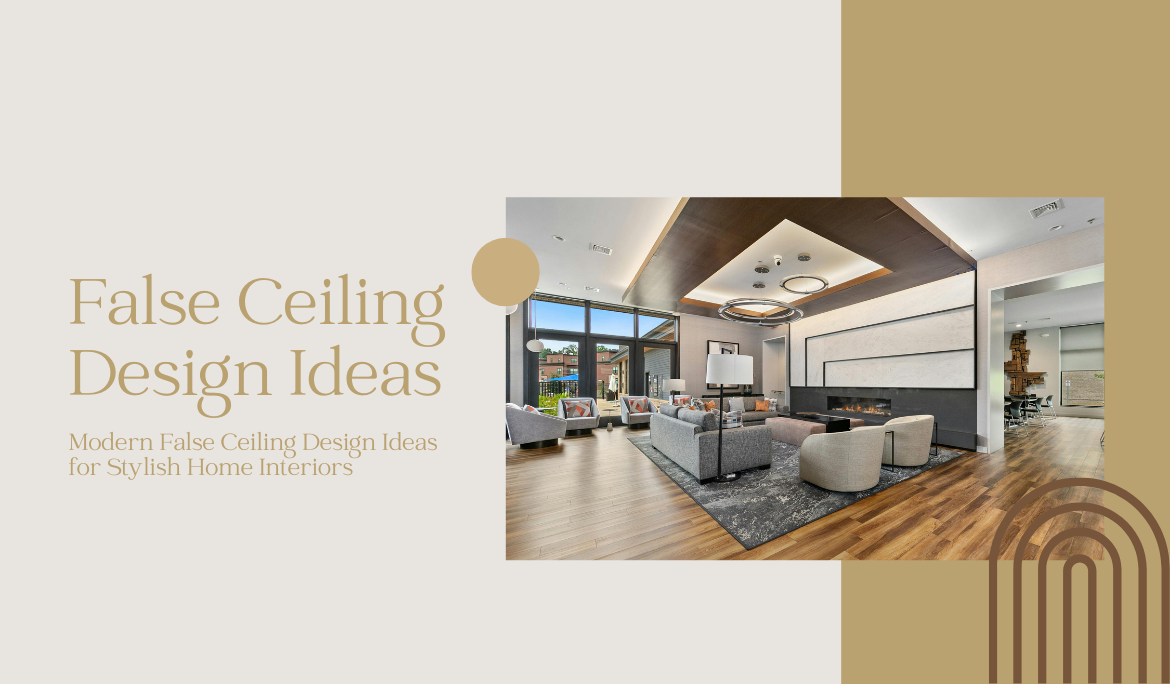
The plane overhead is often the most underutilized surface in interior architecture. A thoughtfully conceived false ceiling design does not merely decorate a room; it establishes the structural rhythm, volumetric balance, and acoustic comfort of the entire interior.
In contemporary Indian architecture, treating this plane with intent has become essential. Through disciplined lighting and refined textures, we can alter the perception of a space, reflecting a client’s preference for quiet sophistication over overt display.
When selecting a modern false ceiling, the objective is to achieve structural cohesion. As we observe architectural evolutions and design ideas in 2026, the focus has shifted firmly toward restraint, clean proportions, and material honesty.
Evaluating the latest false ceiling designs requires balancing historical design principles with modern execution techniques. This discussion offers a professional perspective on integrating these elements seamlessly into your home interior.
Key Takeaways
- Architectural overhead structures provide spatial clarity and clean lines to an interior.
- Calculated lighting integration defines the atmospheric and acoustic quality of a room.
- The design ideas in 2026 favor restrained minimalism and structural balance over ornamentation.
- Material selection must prioritize long-term performance, climate compatibility, and structural integrity.
- A well-executed Creative Layout optimizes Spatial Constraints, inherently adding value to the property.
The Role of a Modern Ceiling for Home Aesthetics
A masterfully executed ceiling for home environments serves a purpose far beyond concealing structural slabs. It acts as the defining architectural plane that dictates the volume and proportion of the room. By treating the ceiling as a primary surface, we align the overhead plane with the flooring layout, joinery, and spatial flow to ensure absolute harmony.
Integrating the latest false ceiling designs allows a Interior Designer to temper raw volumes, turning vast or awkward spaces into intimate, balanced environments.
Understanding the Impact of Ceiling Design on Interior Space
Every choice in interior architecture alters spatial perception. A precise false ceiling design can compress or expand a room; dropping the perimeter can make a central seating area feel expansive, while a lower, uniform plane introduces a sense of domestic intimacy.
By manipulating geometry and levels, we direct the eye through a space, creating invisible transitions that define the home interior without the need for physical partitions.
How False Ceilings Conceal Wiring and Improve Acoustics
Beyond aesthetics, the overhead plane must resolve complex engineering requirements. A dropped ceiling provides the necessary plenum space to elegantly house HVAC ducts, automation wiring, and lighting drivers, ensuring the visible architecture remains completely unblemished.
Furthermore, acoustic performance is an essential component of high-end design. By introducing specific cavity depths or acoustic backing, these installations mitigate echo and sound transmission, which is indispensable for private studies, bedrooms, and media lounges.
Selecting the Right Material Based on Room Size and Function
Material specification requires technical discipline. High-humidity microclimates, such as bathrooms and kitchens, demand entirely different substrates compared to a formal living room.
While public areas may call for highly stable gypsum or refined metal false ceilings, the selection must always respect the overarching architectural narrative. As we implement design ideas in 2026, longevity and material truth take precedence, ensuring the structure remains flawless through seasonal shifts.
Minimalist Tray Ceilings for Contemporary Living Spaces
When designing a modern living room, the tray ceiling remains a timeless architectural device. It offers a structured method to introduce depth and house technical lighting without cluttering the visual field.
These configurations rely entirely on exact proportions and clean reveals rather than decorative applied moldings.
Defining the Tray Ceiling Layout
The tray ceiling layout mimics an inverted architectural volume, where the central field is stepped back from the perimeter. This subtle shift in height immediately creates an illusion of verticality and openness.
This approach aligns perfectly with modern sensibilities that prioritize form and structural honesty. The success of the layout depends on aligning the drop precisely with the scale of the room and the placement of primary furniture groupings below.
Creating Depth with Recessed Panels
Recessed paneling introduces architectural articulation without encroaching on the room’s physical volume. It is an effective strategy for spaces with standard slab heights.
By stepping a portion of the ceiling upward, the eye is drawn naturally toward the highest point, creating a refined play of light and shadow. Integrating concealed lighting within these steps provides a soft, ambient wash that enhances the home interior design.
Color Palette Recommendations for a Sleek Finish
Color application on the overhead plane requires restraint. Soft, architectural whites, chalky grays, and muted stone tones maintain an airy, expansive quality.
Cove Lighting Designs to Enhance Ambient Atmosphere
Modern false ceiling designs increasingly rely on indirect illumination to establish atmosphere. By obscuring the actual light source, we eliminate glare and shift the focus to the quality of light itself.
The Science of Indirect Lighting in Modern Homes
Indirect lighting uses the ceiling surface as a reflector, bouncing light downward in a soft, uniform distribution. This technique eliminates harsh shadows and high-contrast hotspots that fatigue the eye.
In current practices, utilizing the ceiling as a seamless light canvas alters our perception of boundaries—a fundamental technique for executing successful design ideas in 2026.
Installing LED Strips for Seamless Glow
Achieving a continuous, flawless wash of light requires meticulous detail drawing. The LED profiles must be positioned precisely within the cove to prevent hot-spotting or visible dotting on adjacent surfaces.
Specifying high-color-rendering (CRI) linear LEDs with dim-to-warm capabilities allows the client to modulate the atmosphere from functional daytime light to a warm, restful evening glow.
Balancing Brightness and Softness in Dining Areas
Dining spaces demand a sophisticated layering of light. General ambient light must be soft enough to encourage lingering, while targeted illumination ensures the table setting is properly articulated. A perimeter cove combined with soft accent lighting provides the ideal balance.
Geometric Patterns and Sleek Lines for Modern Interiors
The exploration of modern false ceiling designs often involves geometric discipline. Using structured lines allows us to manipulate sightlines and introduce an architectural rhythm into large, open volumes.
Incorporating Sharp Angles for a Sophisticated Look
Sharp, calculated transitions add architectural authority to a room. When integrated into a false ceiling design, these geometric shifts break the monotony of flat slabs. To maintain balance, these crisp lines should echo the structural grid of the home interior, avoiding unnecessary complexity.
“Architecture should speak of its time and place, but yearn for timelessness.”
— Frank Gehry
Why Geometric Designs Work Best in Large Living Rooms?
Large-scale living spaces require architectural elements that match their volume. A flat ceiling can feel vast and ungrounded. Geometric articulation acts as a visual anchor, bringing the scale down to a human level while adding layered depth.
When applying these latest false ceiling designs, the objective is to create a ceiling that feels integrated into the structural envelope of the building, ensuring the space remains cohesive for years to come.
Gypsum Board Designs for Versatile Home Decor
Gypsum board remains a staple substrate in high-end Indian residential design due to its stability, monolithic finish, and adaptability to precise detailing.
Why Gypsum is the Preferred Choice in India
In the Indian context, gypsum provides a smooth, continuous surface that eliminates the visible joints often seen in modular installations. Its inherent fire-retardant properties and thermal insulation make it highly practical, while its ability to seamlessly conceal services aligns with the clean aesthetics demanded by modern false ceiling designs.
Customizing Curves and Organic Shapes
The current design landscape appreciates softer, more organic architecture. Gypsum can be meticulously shaped into soft radiuses, bulkheads, and curved steps.
These modern simple pop designs break the rigidity of traditional square rooms, introducing a fluid transition that softens corners and guides movement through the living areas.
Durability and Maintenance Tips for Gypsum Installations
The longevity of an interior is determined by execution details and material grade. A professionally detailed gypsum ceiling, utilizing heavy-gauge framing, can retain its integrity for decades. Regular inspection of access panels and maintaining stable indoor humidity are essential to prevent micro-cracking.
| Material Type | Durability | Maintenance | Design Flexibility |
| Gypsum Board | High (when correctly framed) | Low | Exceptional |
| PVC Panels | Exceptional (moisture-proof) | Minimal | Moderate |
| Wooden Beams | High (requires seasoned timber) | Periodic conditioning | Structural / Fixed |
Exposed Wooden Beams for a Rustic Yet Sophisticated Look
Integrating timber elements into modern false ceiling designs offers an opportunity to introduce texture and historical resonance into contemporary architecture.
Blending Traditional Warmth with Modern Minimalism
A minimalist interior does not require sterile surfaces. Introducing seasoned wooden beams against a clean, architectural backdrop creates a compelling dialogue between warmth and restraint. This approach grounds a contemporary ceiling for home interiors, ensuring the space feels collected rather than staged.
Creating a Focal Point with Natural Textures
Wood possesses an inherent tactile quality that draws the eye upward, establishing an organic focal point. Whether utilizing reclaimed teak with a matte oil finish or precisely milled oak beams, the material brings structural honesty to the false ceiling design, defining the orientation and length of the space beautifully.
Pairing Wood with Integrated LED Lighting
The interplay between natural grain and modern lighting technology is highly effective. Concealing low-voltage LED profiles along the upper shoulders of wooden beams casts a soft wash across the ceiling plane, accentuating the wood’s texture while providing subtle ambient light that keeps the room incredibly inviting at night.
Glass Ceilings to Amplify Natural Light and Grandeur
The introduction of glass into the overhead plane is a deliberate architectural decision aimed at manipulating light and expanding the vertical volume of a home interior design.
Using Reflective Surfaces to Make Rooms Appear Larger
Strategically placed glass panels or antiqued mirror inserts introduce reflection, mimicking an opening to the sky or an upper volume. This technique visually doubles the height of the space, bouncing natural light into deep floor plates and eliminating dark zones within the plan.
Safety Considerations for Glass Ceiling Installations
Overhead glazing demands rigorous engineering. We specify exclusively tempered, laminated safety glass secured within heavy-duty, engineered metal sub-frames. Collaborating with specialist structural engineers ensures that dead loads, structural deflections, and seismic considerations are fully accounted for before execution begins.
Best Locations for Glass Accents in Home Interiors
Placement must be intentional. Internal courtyards, double-height entrance foyers, and formal dining pavilions are ideal locations. When selecting false ceiling design ideas, integrating glass over key architectural features creates a dramatic play of natural light that shifts thoughtfully throughout the day.
Moisture-Resistant PVC Panels for Kitchens and Bathrooms
Service-heavy zones with high humidity demand materials engineered specifically to withstand moisture without compromising on aesthetic cleanlines.
Benefits of PVC for High-Humidity Environments
In Indian coastal or high-humidity regions, traditional gypsum in bathrooms and kitchens can face long-term maintenance issues. High-grade PVC profiles are entirely non-porous, impervious to steam, and resistant to fungal growth, making them a technically sound false ceiling design choice for wet areas.
Easy-to-Clean Surfaces for Modular Kitchens
A professional culinary space requires surfaces that support hygiene and effortless maintenance. Modern PVC compositions resist grease accumulation and can be easily wiped clean, ensuring the overhead plane remains pristine above intense cooking zones.
Design Variety and Aesthetic Appeal of Modern PVC
While early iterations of PVC were purely utilitarian, the design ideas in 2026 feature highly sophisticated finishes. Flush-joint profiles with ultra-matte architectural finishes or subtle linear textures integrate seamlessly into modern false ceiling designs, allowing performance spaces to maintain the same design language as the rest of the residence.
Integrated LED and Chandelier Focal Points
Lighting should never be treated as an afterthought; it is the element that illuminates architectural intent. Balancing architectural downlights with decorative fixtures is key to a successful interior.
Choosing the Right Pendant Lights for Your Ceiling
A decorative fixture must respect the scale and proportions of the false ceiling design. The drop, mass, and silhouette should align with the architectural grid below, acting as a refined centerpiece rather than an overwhelming distraction.
Layering Lighting Effects for Maximum Elegance
A sophisticated lighting scheme relies on distinct layers: architectural coves for ambient wash, low-glare recessed downlights for target illumination, and decorative fixtures for intimacy. This approach allows the client to shift the room’s mood effortlessly based on the time of day or the nature of the gathering.
Positioning Fixtures to Highlight Interior Features
The placement of lighting fixtures must be dictated by the furniture layout and art placement. Off-setting downlights to graze a textured wall finish or spotlighting a rare sculpture turns the latest false ceiling designs into a functional gallery grid, ensuring that every design detail is articulated with precision.
Conclusion
The overhead plane is fundamental to the structural and emotional narrative of a home. Whether executing a restrained tray detail or addressing the technical demands of a high-humidity zone, a successful false ceiling design balances architectural purpose with flawless execution. By prioritizing timeless proportions and material integrity over fleeting Interior Design Trends, the interior remains relevant, quiet, and enduring.
Reflective Takeaway: True luxury in interior architecture lies in the details that go unnoticed—the seamless transition of a level, the perfect diffusion of a hidden light source, and the structural discipline that allows a space to feel effortlessly complete.
FAQs
1. What are the primary benefits of installing a modern false ceiling in my home?
Beyond enhancing spatial proportions, a modern false ceiling provides a crucial architectural plenum to house concealed HVAC systems, smart home automation, and layered lighting. It also significantly improves acoustic insulation and thermal efficiency within the living space.
2. Which materials used in false ceilings are best for modular kitchens and bathrooms?
For high-humidity zones, moisture-resistant substrates such as high-grade PVC panels or marine-grade treated systems are ideal. They resist steam, prevent mold accumulation, and offer non-porous, easily maintainable surfaces.
3. How do modern simple POP designs differ from tray ceiling layouts?
Modern simple pop designs often focus on flat, seamless surfaces with subtle linear reveals or organic curved details molded on a single plane. A tray ceiling layout involves a distinct multi-level stepped profile where the central section is recessed upward to enhance the room’s vertical volume.
4. Can a false ceiling design help make a small room look larger?
Yes. Utilizing a minimalist tray layout combined with a subtle perimeter cove light can create an illusion of height. Incorporating light-reflective panels or glass elements also prevents the space from feeling compressed by bouncing light across the room.
5. What should I consider regarding the size of the room when choosing design ideas in 2026?
The scale dictates the detailing. Expansive rooms require structural grounding through elements like geometric articulations or exposed beams to feel intimate. Compact rooms demand clean, uninterrupted planes and concealed, low-glare lighting to maximize the sense of volume.
6. How long can a professionally installed ceiling design can last?
When executed with high-gauge framing and premium substrates like high-grade gypsum, a professionally installed ceiling will maintain its structural integrity for 15 to 20 years, provided the overhead slab remains free from external water ingress.
7. What is the role of cove lighting in latest false ceiling designs?
Cove lighting serves as the primary source of indirect ambient light. By hiding the light source within an architectural step, it reflects a soft, glare-free wash across the ceiling, establishing a calm and sophisticated atmosphere.
8. Are there specific types of false ceiling that improve home acoustics?
Yes. Gypsum board installations paired with sound-dampening insulation in the plenum cavity are highly effective at minimizing echo and sound transmission, making them essential for private media rooms, bedrooms, and quiet studies.