

What is Luxury Interior Design? Expert Guide to Creating a High-End Home
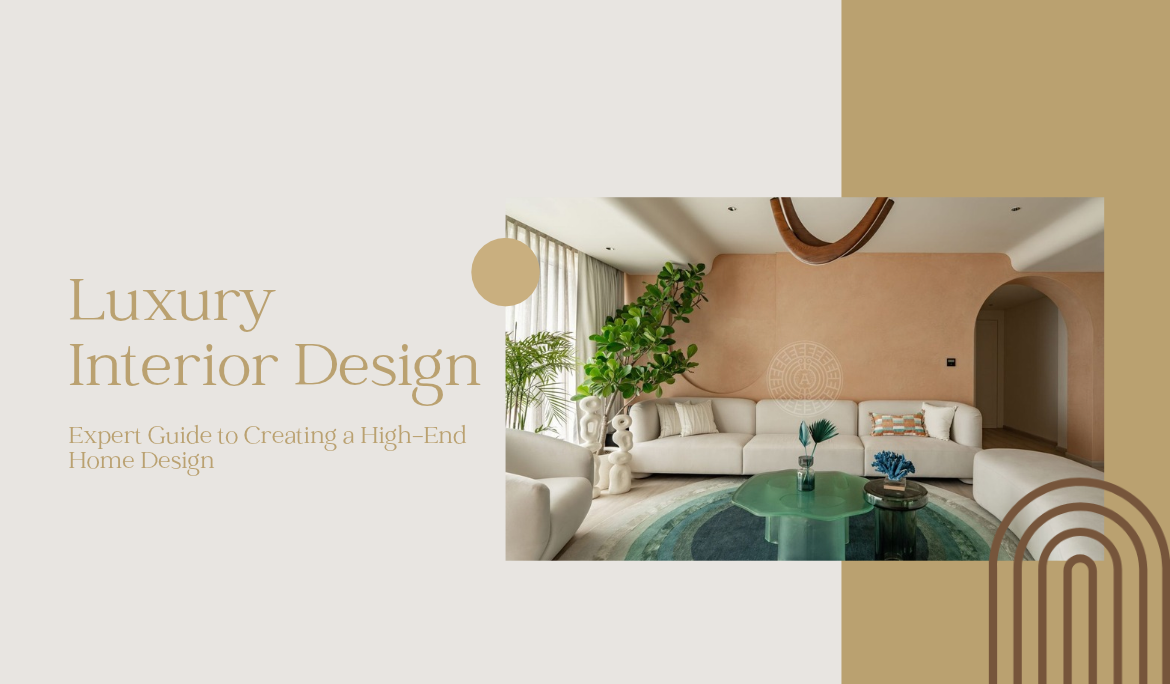
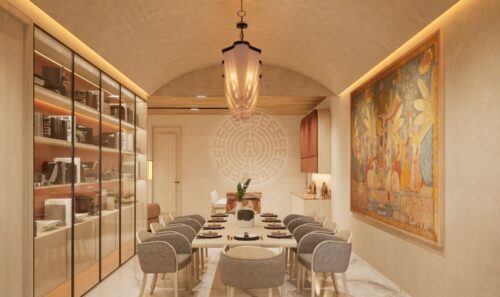
Luxury interior design is the art of curating a bespoke living environment defined by custom craftsmanship, architectural proportion, noble natural materials, and multi-sensory harmony. Rather than relying on expensive mass-market brand labels, true luxury interior design focuses on tailor-made furniture, rare natural stones (like Calacatta marble and onyx), layered 2700K lighting, and seamless functional comfort tailored to the homeowner’s lifestyle.
1. Defining True Luxury Interior Design
What separates a truly luxurious home from one that simply features expensive furniture? Many believe luxury is defined by high price tags or gold-plated finishes. In reality, authentic luxury interior design is understated, bespoke, and profoundly personal.
It is about the subtle harmony of architectural proportions, the touch of hand-finished natural stone, the quiet comfort of perfect acoustics, and the timeless beauty of custom joinery built exclusively for your space.
2. Mass-Market Luxury vs. Authentic Bespoke Luxury
| Dimension | Mass-Market “Showroom” Luxury | Authentic Bespoke Luxury (Essajees Standard) |
| Furniture Sourcing | High-end catalog brands produced in batches | 100% custom-designed, dimension-scaled pieces |
| Material Authenticity | Synthetic veneers and composite slabs | Full-slab natural Italian marble, solid hardwoods, raw bronze |
| Spatial Planning | Furniture placed to fill room perimeters | Curated conversation zones anchored by architectural sightlines |
| Lighting Design | One central statement chandelier + generic downlights | 3-tier architectural illumination (Ambient, Task, Art grazing) |
| Longevity & Patina | Trends that date within 3–5 years | Timeless aesthetic that patinates gracefully over decades |
3. The 5 Core Pillars of Luxury Interior Design
“True luxury isn’t something you can buy off a showroom floor. It’s the invisible feeling of walking into a room where every proportion is balanced, every material feels honest to the touch, and the lighting effortlessly shifts the mood from morning clarity to evening intimacy.”
— Sarah Sham, Principal Designer at Essajees Atelier
1. Bespoke Customization & Craftsmanship
In an authentic luxury interior, almost every key element is tailor-made. From hand-carved fluted walnut paneling that conceals climate control vents to dining tables sculpted from monolithic quartzite blocks, custom craftsmanship guarantees exclusivity and flawless spatial fit.
2. Material Integrity: The Beauty of Noble Materials
- Rare Natural Stones: Bookmatched Calacatta Viola, honed Roman Travertine, Brazilian Cristallo Quartzite, and backlit Persian Onyx.
- Architectural Millwork: Smoked European oak, American walnut, and hand-rubbed brass inlays.
- Tactile Textiles: Belgian linen, bouclé, mulberry silk, and vegetable-tanned full-grain leather.
3. Spatial Proportion & Uncluttered Flow
A luxury home embraces negative space. Grand rooms are never overcrowded with excessive decor; instead, generous walking corridors (minimum 36–42 inches) and intentional sightlines allow architectural features and monumental art pieces to breathe.
4. Layered Architectural Lighting (2700K Warm White)
Luxury spaces avoid flat, sterile lighting. Instead, they use a three-tier system: concealed perimeter cove LEDs for ambient warmth, low-glare reading task lamps beside armchairs, and narrow 15°–24° spotlights aimed at fine paintings and stone walls.
5. Multi-Sensory Curation: Acoustics, Scent, and Touch
- Acoustic Calm: Solid-core timber doors, acoustic fabric drapery, and thick silk-wool rugs eliminate echoing.
- Scent Atmosphere: Bespoke ambient home fragrances incorporating cedarwood, cardamoms, and white amber.
- Tactile Contrast: Transitioning from cool, honed stone underfoot to plush cashmere throws.
Frequently Asked Questions
1. What makes an interior design truly “luxury”?
True luxury interior design is defined by bespoke customization, high-grade natural materials (marble, hardwood, brass), meticulous architectural proportion, layered warm lighting (2700K), and multi-sensory comfort tailored exclusively to the homeowner’s lifestyle.
2. How do luxury interior designers choose color palettes?
Luxury designers typically use a 60-30-10 rule grounded in warm neutrals (travertine beige, greige, chalk white) for 60% of the space, textured natural woods and fabrics for 30%, and deep stone or metallic accents (bronze, quartzite) for the remaining 10%.
3. Can you achieve luxury interior design in an apartment?
Yes. In luxury apartments, high-end design is achieved through custom floor-to-ceiling millwork that maximizes vertical space, seamless continuous stone flooring, concealed storage, oversized statement lighting, and bespoke furniture scaled to the room dimensions.